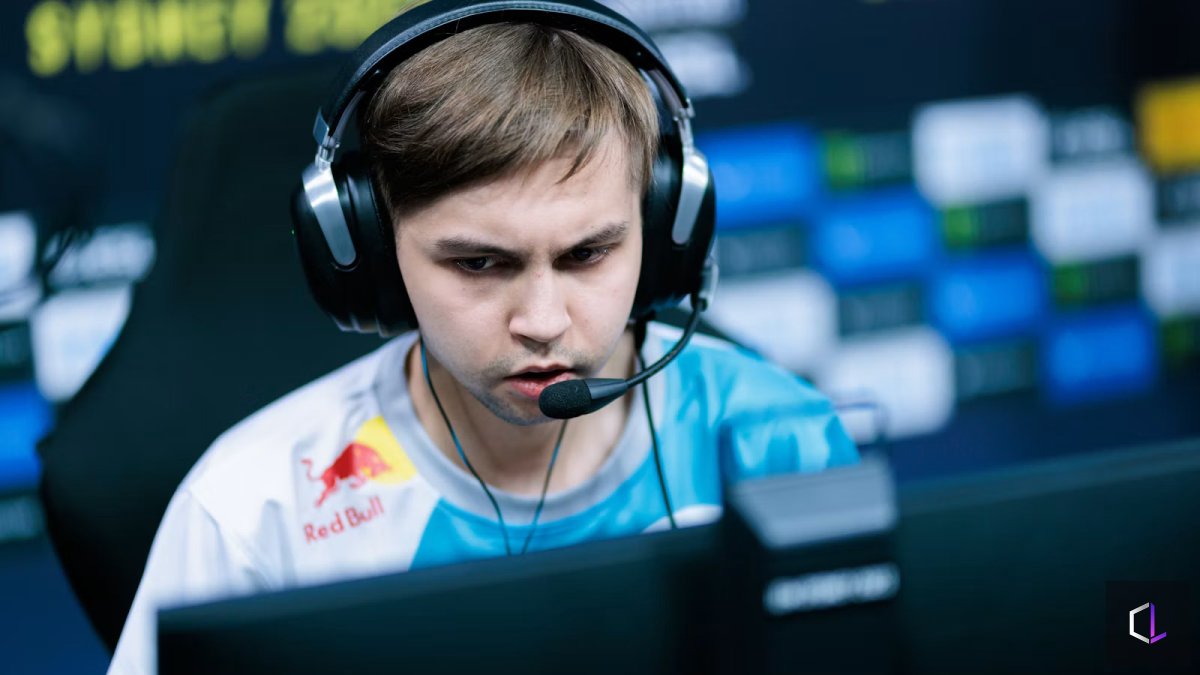
A Controversial Player Stronger Than the Team: What the sh1ro Case Teaches Us
When Skill Matters More Than Sympathy
An intriguing discussion has flared up in the professional CS2 community: well-known scene analysts have agreed that one of the players, whom the community regularly calls a baiter and criticizes for his style of play, is capable of strengthening virtually any roster he joins. At the same time, viewers' attitude toward him remains cool — many consider his style unfair toward his teammates.
It might seem like a minor topic for fan debates. But in fact, it hides an important lesson — not only for professionals, but also for kids who are just starting their journey in esports.
Reputation and Results Are Not the Same Thing
In esports, as in any other competitive field, there's a difference between how viewers perceive a player and how much real value he brings to the team. You can be uncomfortable, controversial, someone who sparks arguments in chat — and still remain a player whom top organizations are willing to fight to sign.
This is an especially valuable point for young players and their parents. Teenagers often chase approval in chat or likes under a clip, forgetting that it's the tournament standings that matter, not the number of emojis under a post. The ability to accept criticism without losing focus on your in-game task is a separate skill that takes even longer to train than aim or tactical thinking.
What's Behind the Word Baiter
The term baiter in CS is usually used for a player who enters positions first not by his own choice, but because his teammates hold back information, waiting for his reaction to gunshots before making their own decisions. This is a controversial mechanic: on one hand, it can look like the exploitation of one player for the benefit of the others; on the other hand, if a person reacts physically faster and consistently wins his duels, such a role genuinely works in favor of the result.
For a team, it's always a trade-off between ethics within the roster and effectiveness on the server. And top-level coaches more often choose effectiveness.
Why This Matters for Young Players at the Academy
In youth and teenage esports, roles are distributed differently than among professionals, but the principle is similar: everyone on the team performs their own function, and it's not always pretty from the viewer's perspective. Someone holds information, someone sacrifices a round for the sake of timing, someone takes on the risk of entry. Learning to understand your role — and not resent it — is one of the first things we cover with students during team training.
The second important point is the ability to filter out outside noise. Professional players live for years under the crosshair of hate and community arguments, and those who withstand this pressure show the best long-term results. Teenagers who are seriously into CS2 would do well to train this same skill from the very beginning — not adjusting their play to meet viewers' expectations, but focusing on the task at hand.
Conclusion
The debate about a specific player is, in essence, a debate about a broader question: what do we value in esports — spectacle and pretty play, or cold effectiveness. The professional scene is increasingly voting for the latter. And the sooner a young player understands this logic, the easier it will be for them to build their gaming career without wasting energy fighting for the chat's sympathy.