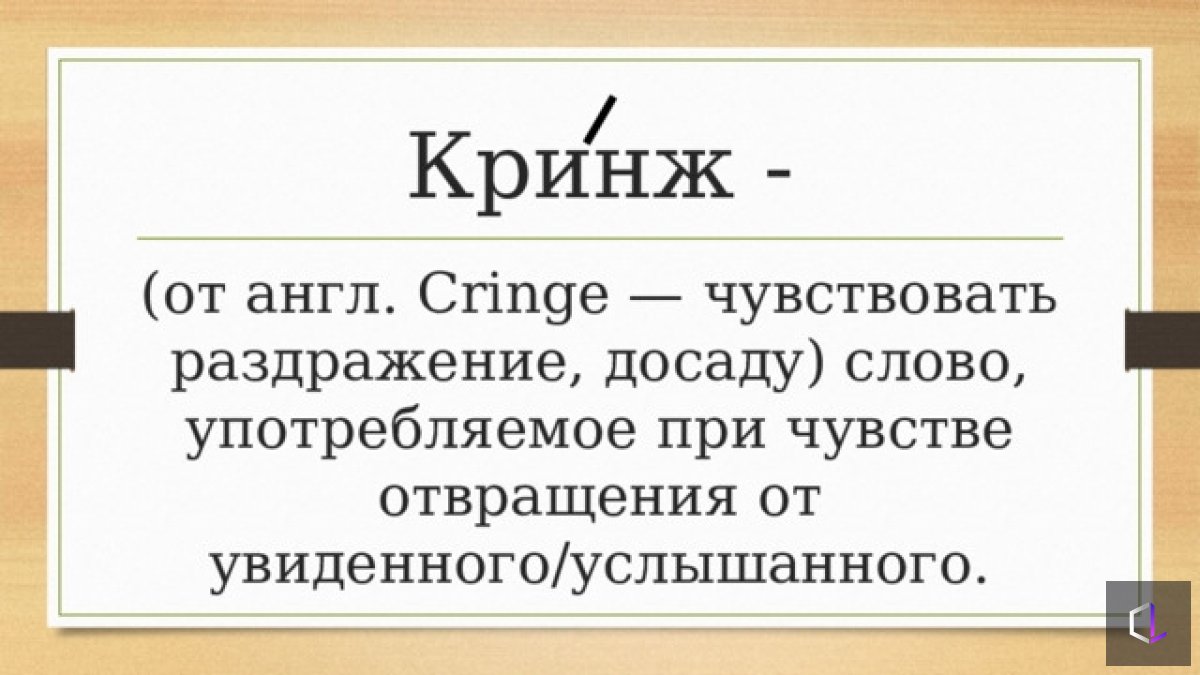
Cringe and imba: why esports slang irritates adults
When cringe becomes a reason for a family argument
A recent survey showed: jargon and internet slang irritate Russians more than any other words in speech — almost a third of respondents put cringe, rofl, and imba at the top of their anti-rating. Anglicisms like case and hype aren't popular either. But boring bureaucratic clichés barely annoy anyone.
For us, as a school that communicates with both children and their parents every day, this topic is familiar firsthand. It's precisely at the intersection of adult and gamer language that misunderstanding in the family most often arises.
Why teenagers speak this language
Slang in esports isn't a corruption of language, but a working tool. When a player says a hero is imba or that a teammate tilted, they're saving time and accurately conveying meaning within their culture. It's the same principle as in any professional environment — doctors, programmers, and athletes also use terms incomprehensible to outsiders.
The problem lies elsewhere: this language exists within a narrow circle and rarely extends beyond gaming chats and streams. To a parent who hears from their child I tilted because he picked a cringe imba, it seems like they're facing a different world. And the irritation here is more often not about the words themselves, but about the feeling of not being understood within one's own family.
What we do about it at the academy
We deliberately teach kids in our classes to switch between two languages:
- Gaming slang — for team communication, where speed and precision of communication during a match matter;
- Regular speech — for reviewing games with a coach, for interviews, for communicating with parents, and in the future — with sponsors and journalists.
This isn't just a matter of politeness. The ability to explain one's thoughts without jargon is already a soft skill that distinguishes an amateur player from a future professional. Top esports athletes who are quoted in interviews know how to speak clearly and meaningfully, even if they use dozens of specific terms in the game.
Advice for parents
If a child is spouting incomprehensible words — that's a good reason to ask what they mean, rather than getting irritated right away. Most often, behind cringe and imba lies a perfectly logical meaning, and interest in translating this language brings people closer together rather than pushing them apart.
And if you want your teenager to feel equally confident both in a gaming chat and in a serious match review with a coach — that's exactly what we teach at CyberLab: not just mechanics and tactics, but also the ability to convey their thoughts so that they're understood by both teammates and adults.