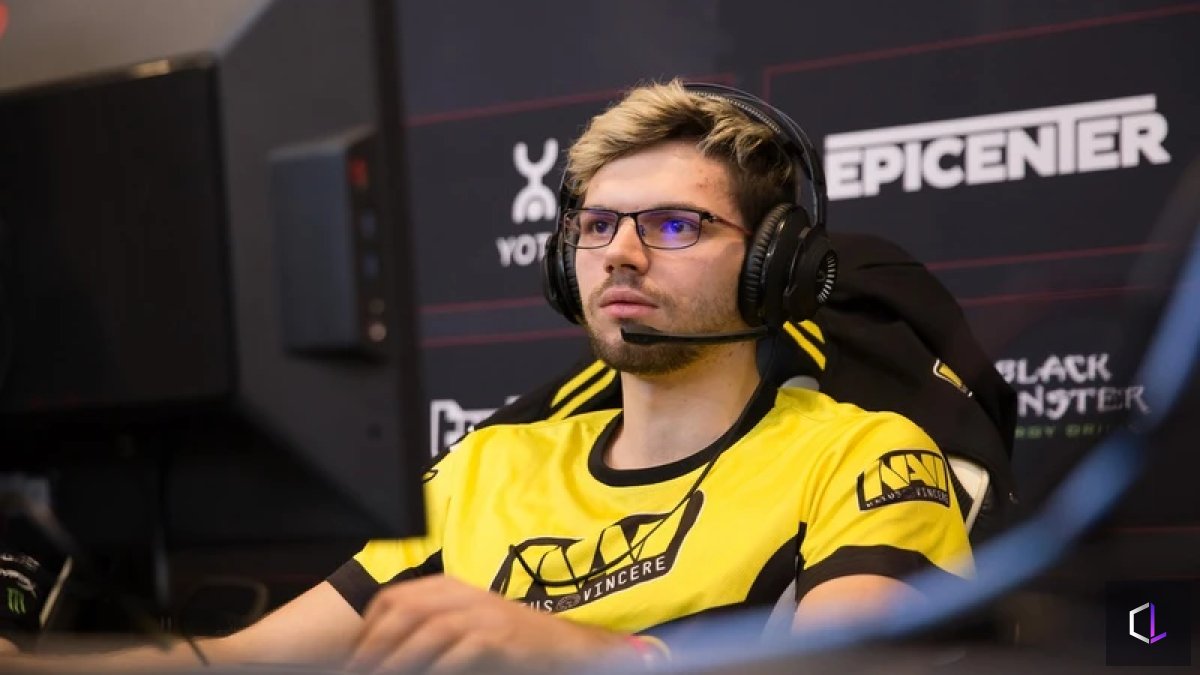
Top player inactivity: why esports pros go on pause
When even a top player wants a break
In professional CS2, stories periodically happen that sound almost paradoxical to parents of young esports players: a player at peak form, on a strong team, suddenly announces — I want to rest, take a break from inactivity, leave the game for a while. A recent example — one of the well-known midlaners of the Russian scene said he plans to spend another couple of months on the roster, and then take a break for an indefinite period. Moreover, he's ready to leave right after the tournament if that's more convenient for the organization.
For many, this sounds strange: why quit a sport if you're succeeding at it? But this very paradox contains an important lesson worth discussing with children who dream of a career in esports.
Why burnout isn't a whim, but part of the profession
Esports at a high level isn't playing for fun. It's 8-10 hours of practice a day, scrims, demo reviews, constant psychological pressure at tournaments and in online broadcasts, where every mistake is analyzed by thousands of viewers. Plus — life at a boot camp, often far from family, with a rigid schedule and minimal personal time.
In such an environment, burnout isn't a sign of weakness, but a natural reaction of the body and psyche to prolonged stress. Top players take inactivity breaks not because they've fallen out of love with the game, but because they've physically and mentally exhausted their resources. And the decision to step away temporarily isn't a defeat, but a mature professional step that ultimately extends a career rather than cutting it short.
What this means for young gamers and their parents
If your child is passionate about CS2 or Dota 2 and dreams of the professional scene, it's important to instill the right attitude toward workload and rest from the very beginning:
- Routine matters more than hours spent at the computer. Five hours of conscious, quality practice with breaks yields more than ten hours on autopilot until you get a headache.
- Rest is part of the training process, not its absence. Even adult professionals have a pause built into their career strategy.
- Signs of fatigue can't be ignored: irritability, loss of concentration, unwillingness to play a favorite game — these are signals that a break is needed, not push even harder.
- Changing roles and positions is normal practice. When a player goes on an inactivity break, the team looks for a replacement, tests new people in their role — this is part of the life of any esports organization, not a tragedy.
How this looks in the academy
That's why, in training young esports players, we focus not only on mechanics and tactics, but also on workload management. Students learn to plan their training so that progress is stable, not erratic — through overload and subsequent rollback. We discuss with them and their parents that the path into big esports is a marathon, not a sprint, and that even international-level stars take a pause from time to time in order to come back stronger.
The inactivity story is a good occasion to once again discuss with teenagers: loving a game and burning out from it are different things, and the task of proper training is to ensure that the first doesn't turn into the second.