FACEIT Race: Why ELO Rating Isn't the Main Indicator of Skill
When the Numbers on Screen Decide Everything — and When They Don't
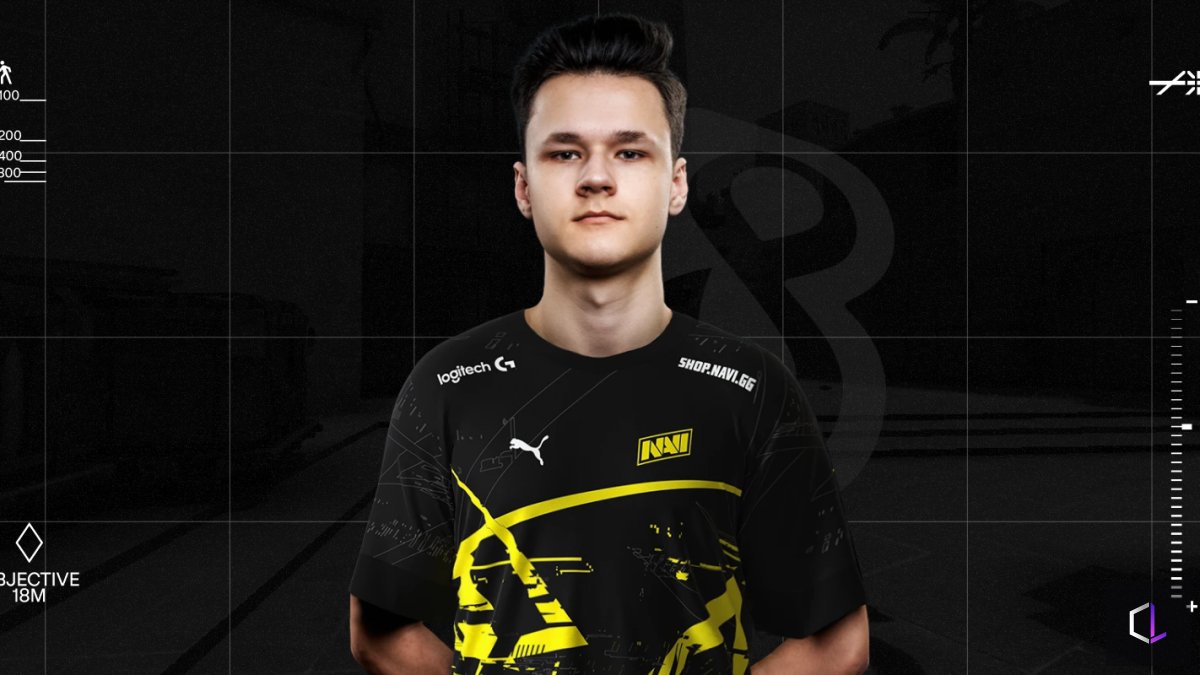
The other day, a small earthquake happened in the CS2 community: a player who had long been considered number one by ELO on FACEIT lost the top spot to a rival by a difference of just a couple dozen points. The gap is tiny — less than 30 points at a rating near 4800. To an outside observer, this looks like drama on the level of the king has fallen, but for those who really understand the mechanics of rating systems, it's more statistical noise than an indicator that one player suddenly became worse than another.
At CyberLab, we work every day with teenagers who ask: How much ELO do I need to become a pro? And this is where it's important to put things straight.
Why ELO Is Not a Skill Level, But a History of Wins
The ELO rating doesn't measure how well you shoot, read utility lineups, or make decisions in a clutch. It measures the result of matches relative to the strength of opponents. This means:
- Two players with the same ELO can have completely different game IQ — one relies on aim, another on tactics.
- The rating easily swings from a series of good or bad games, especially for top accounts, where the sample of matches is relatively small.
- A competition over who's higher in the rating between two top-class players is more entertainment for spectators than an objective argument about who's stronger.
For beginners and parents, this is an important lesson: don't chase the number in your profile, chase understanding of the game. A student with 2000 ELO who consciously analyzes their mistakes, reviews demos, and works on positioning progresses faster than one who is fixated only on rating growth at any cost — even to the point of tilt and unhealthy gaming sessions.
What's Actually Important to Track
Instead of chasing first place on the leaderboard, we advise academy students to focus on other metrics:
1. Decision-making stability — how often you make the same mistake in similar situations.
2. Impact in critical rounds — not just frags, but useful actions: flashes, retakes, timings.
3. Team communication — how clearly and to the point you give call-outs.
4. Progress in demo review — the ability to find your own weak spots without a coach's hint.
These are precisely the things that move a player from the status of strong on FACEIT to the status of useful for the team at a tournament. And, incidentally, tournament performance doesn't always directly correlate with personal rating either — many examples in CS2 history show that players with a more modest ELO became MVPs of decisive matches through team play.
What We Tell Our Students
At CyberLab, the FACEIT rating is used as one of the diagnostic tools, not as an end in itself. We analyze with students in which rounds the rating grows not because of good play, but because of luck or weak opponents — and vice versa, where important micro-mistakes go unnoticed even if the round is won.
A change of leader at the top of FACEIT is a good reason for a discussion during training: ask your child what they think is more important — being first in the rating today, or being the one chosen for the team's roster in six months. These are different questions, and the answer to the second one requires much deeper work on oneself.