Is 3000 ELO Actually Not That Impressive? Breaking Down the FACEIT Rating
When a &cool rating& is just the norm for pros
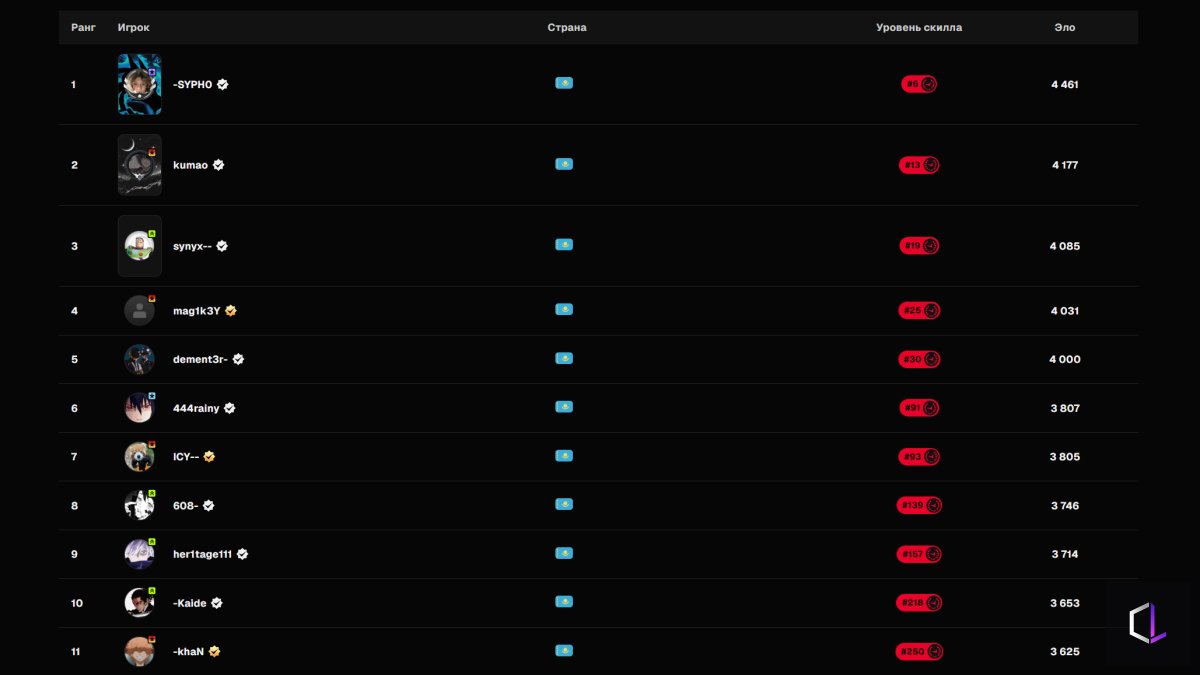
Recently, in CS2 pro player circles, a simple question was being discussed: what ELO on FACEIT should be considered low? The answers surprised many viewers. One well-known player called as much as 3000 ELO a low indicator — a bar that the vast majority of even dedicated players will never see in their entire career. Others named more modest figures — 2500, 2000, someone mentioned a level below 1751. But even the most &modest& of the figures mentioned is a result that an average player needs months, if not years, of hard training to reach.
For parents and teenagers who are just starting their path in esports, this story is a great occasion to understand what rating numbers actually mean and why there's no need to be upset if your ELO is still far from the coveted thousands.
Why the pro scale and the beginner scale are different worlds
It's important to understand: when a professional player calls 3000 ELO a &weak& level, he's looking at the system from inside his own bubble — a world where every opponent trains 8-10 hours a day and plays in tournaments with six-figure prize pools. For 99% of FACEIT users, a figure of 2000-2500 ELO is already an indicator of a serious level of play, stable mechanics, and an understanding of tactics.
The rating system is structured so that growth becomes harder with every new thousand points. The difference between 1000 and 1500 ELO is essentially the difference between a beginner and a confident player with basic skills. But the path from 2000 to 2500 is already a story about micro-details: recoil control, round reading, team communication, psychological stability.
What this means for those who are just learning
At CyberLab, we often see teenagers get upset comparing themselves to top streamers and pro players. This is a natural trap — social media and broadcasts only show the tip of the iceberg. But it's useful to remember a few things:
- Rating is a tool, not a verdict. It shows progress relative to other players in your region and current pool, not &strength& in some absolute sense.
- Comparing yourself to the pro scene demotivates rather than motivates. It's much more productive to compare yourself to who you were a month ago: has your shooting accuracy improved, are there fewer rash decisions during a round.
- Behind every high ELO are thousands of hours of structured practice, not innate talent. Aim training, demo review, learning nade lineups — this is a routine that's invisible from the outside, but it's exactly what separates the top 1% from everyone else.
How to properly climb in rating
Instead of chasing a number, it's worth focusing on specific skills: shooting mechanics, understanding round economy, teamwork, and analyzing your own mistakes after matches. This is exactly the approach we build into the academy's programs — not &boost ELO at any cost,& but provide tools that lead to steady rating growth as a natural consequence of progress.
So if your child is currently at 1000-1500 ELO and worried that it's &too little& — it's important to explain: even the pros once started from zero, and the path to the top is built from small but regular steps, not a single magical leap.